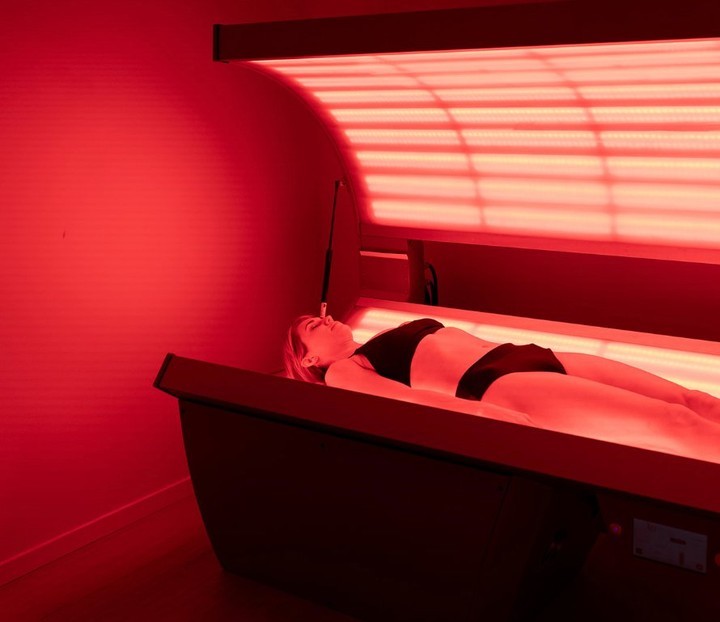
Red light therapy (RLT) has emerged as a popular holistic treatment, harnessing the power of specific wavelengths of light to promote healing and wellness throughout the entire body. By penetrating the skin and stimulating cellular functions, RLT has been linked to various benefits, including enhanced circulation, reduced pain and inflammation, and improved skin health. As more individuals seek natural alternatives to traditional medicine, whole body red light therapy sessions are becoming an increasingly sought-after option for enhancing overall well-being.
This article delves into the science behind red light therapy, exploring how it works at the cellular level and the potential benefits it offers for different health concerns. From athletes looking to recover faster to individuals combatting chronic conditions, red light therapy presents an exciting avenue for promoting health. Join us as we uncover the diverse applications and emerging research surrounding this innovative treatment modality, helping you make informed decisions about incorporating it into your wellness routine.
Understanding How Red Light Therapy Works
At the core of red light therapy is its mechanism of action at the cellular level. The specific wavelengths of light, typically ranging from 600 to 900 nanometers, penetrate the skin and are absorbed by mitochondria—the powerhouse of the cells. This absorption stimulates ATP (adenosine triphosphate) production, enhancing cellular energy and promoting repair processes. As a result, red light therapy can accelerate healing, reduce oxidative stress, and improve cellular function, making it beneficial for various health issues, including muscle strain, joint pain, and skin disorders.
Potential Health Benefits
The potential health benefits of red light therapy extend across a myriad of applications. For athletes, incorporating Red Light Therapy Whole Body can facilitate recovery after intense workouts by alleviating muscle soreness and enhancing performance. Moreover, it has shown promise in addressing conditions such as arthritis, acne, and even signs of aging by improving skin elasticity and texture. With ongoing research, the scope of RLT continues to expand, offering new insights into its therapeutic potentials and effectiveness in supporting overall health.
In summary, whole body red light therapy stands out as a groundbreaking approach to health and wellness, leveraging the power of light to rejuvenate the body at the cellular level. As individuals increasingly look for effective natural treatments that complement conventional medicine, the versatility of RLT offers a compelling solution for both physical and aesthetic concerns. With documented benefits from improved recovery times in athletes to enhanced skin vitality, red light therapy has garnered attention in not just clinical settings but also personal wellness routines. As research continues to evolve, the future of red light therapy looks promising, potentially paving the way for a deeper understanding of its capabilities and broader applications in holistic health. Integrating this innovative therapy into one’s lifestyle could be a gateway to a new era of healing and vitality, inviting practitioners and patients alike to explore its transformative potential.