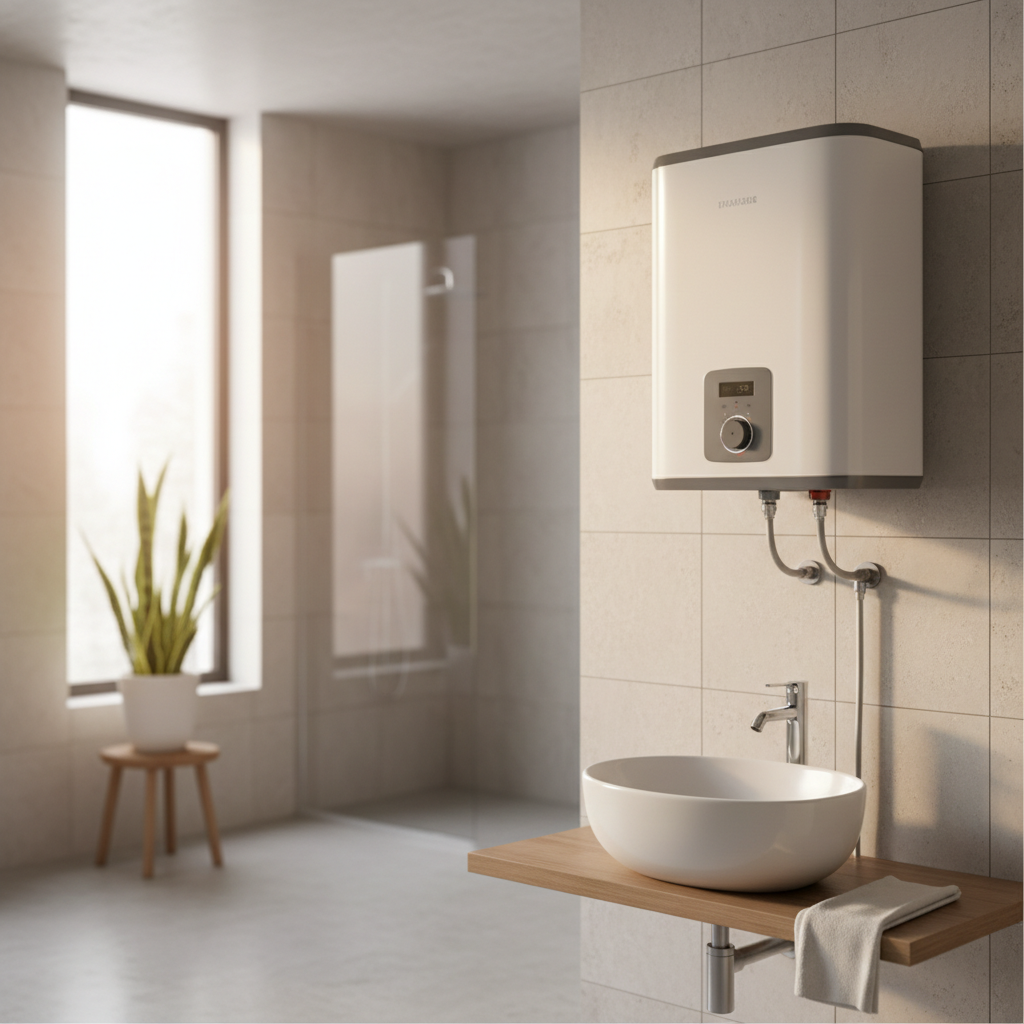
Water heaters are essential appliances in our homes, providing comfort by delivering hot water for various daily tasks such as bathing, cooking, and cleaning. However, like any other appliance, they require regular maintenance to ensure optimal performance and longevity. Neglecting routine care can lead to inefficiencies, unexpected breakdowns, and even costly repairs. By understanding the importance of water heater maintenance, homeowners can enjoy consistent hot water and extend the lifespan of their units.
This article aims to provide a comprehensive guide to water heater maintenance, covering essential tips and best practices. From routine inspections to flushing the tank and checking the anode rod, we will explore key steps you can take to keep your water heater running smoothly. Whether you have a traditional storage water heater or a modern tankless model, this guide will help you ensure your appliance operates efficiently and reliably for years to come.
Routine Inspections
Regular inspections of your water heater are crucial to ensure that it operates safely and efficiently. Homeowners should check for leaks, corrosion, and any unusual noises that may indicate potential issues. It’s also important to verify that the pressure relief valve is functioning properly, as this component is vital for preventing excess pressure buildup. For those who prefer a professional touch or are unsure about performing these inspections themselves, you can visit site for expert maintenance services tailored to your water heater type.
Flushing the Tank
Flushing your water heater’s tank is an essential maintenance task that helps remove sediment buildup, which can affect the unit’s efficiency and lifespan. It’s recommended to flush the tank at least once a year to prevent sediment from settling at the bottom, which can lead to overheating and potential damage. Additionally, ensure that the cold water inlet is functioning correctly and consider checking the anode rod every couple of years to protect against corrosion. These simple yet effective practices can significantly enhance your water heater’s operational efficiency.
In conclusion, regular maintenance of your water heater is vital for ensuring its efficiency, safety, and longevity. By incorporating routine inspections, flushing the tank, and checking critical components like the anode rod, homeowners can prevent costly repairs and unexpected breakdowns. Taking the time to perform these essential tasks not only helps maintain a steady supply of hot water but also contributes to energy savings and improved performance over time. Ultimately, investing a little effort in water heater maintenance will pay off, allowing you to enjoy the comfort and convenience of a fully functioning appliance for years to come.