Drywall repair is an essential skill for homeowners and DIY enthusiasts alike, serving as a critical component in maintaining the aesthetic and structural integrity of a property. Whether it’s due to accidental impacts, water damage, or the natural wear and tear of living spaces, knowing how to effectively repair drywall can save time and money while providing a seamless finish. In this article, we will explore the various techniques and materials required for common drywall repairs, empowering you to tackle these tasks with confidence.
From minor dings and dents to larger holes, mastering drywall repair techniques can transform your living environment and enhance the overall appeal of your home. With the right tools and a little practice, you can achieve professional-looking results without the need to hire a contractor. Join us as we delve into the step-by-step processes, tips, and best practices to ensure your drywall repair projects are a success.
Common Drywall Issues and Solutions
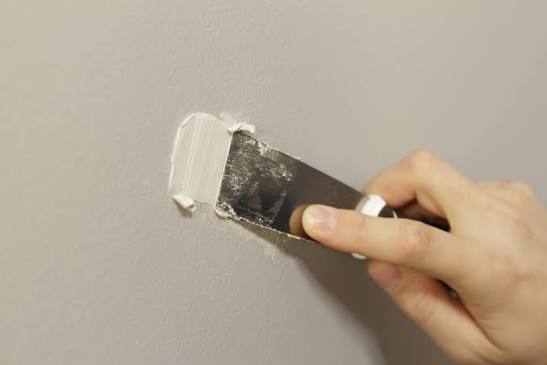
One of the most frequent drywall issues homeowners encounter is small dents and holes, often caused by furniture bumps or nails. To repair these, you can use a lightweight spackling compound for minor dings, filling the area and smoothing it out with a putty knife. For bigger holes, a patch kit is recommended; simply cut a piece of drywall to fit the hole, secure it in place, and apply joint compound over the seams for a perfect finish. If you’re located in areas like Greenville, SC, professional services, such as drywall greenville sc, can further assist with these repairs if you’re looking for a quicker solution.
Essential Tools and Materials
To successfully complete drywall repairs, a few essential tools and materials will make the job easier and more efficient. You’ll need a utility knife for cutting drywall, a putty knife for applying joint compound, and sandpaper for smoothing surfaces after repairs. Additionally, having a drywall saw, patching tape, and a level will help ensure that your repairs are precise and professional-looking. Gathering these items before starting your project will streamline the process and contribute to a satisfying outcome. Remember, the key to an invisible repair is patience and attention to detail.
In conclusion, performing drywall repair is not only a practical skill but also one that encourages creativity and pride in homeownership. By familiarizing yourself with the common issues and equipping yourself with the right tools and materials, you can successfully restore your walls to their original condition or even elevate your space with new enhancements. Whether tackling small scratches or larger repairs, the satisfaction derived from a job well done is immeasurable. With practice and a commitment to learning the nuances of drywall repair, you’ll not only improve your living space but also gain confidence for future home improvement endeavors, ensuring your home remains a beautiful and safe haven for years to come.