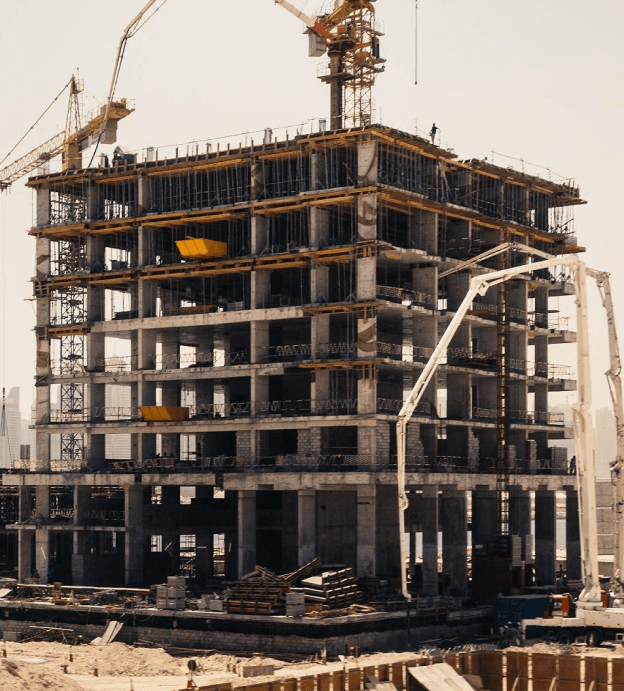
In today’s rapidly evolving economic landscape, commercial construction companies play a pivotal role in shaping the infrastructures that support businesses and communities alike. From towering skyscrapers to state-of-the-art shopping centers and innovative office complexes, these firms are responsible for transforming architectural visions into tangible realities. As the demand for sustainable and high-quality construction continues to rise, understanding the complexities and capabilities of these companies becomes essential for stakeholders ranging from investors to local governments.
This article delves into the multifaceted world of commercial construction, exploring the various types of companies that operate within this sector, their unique specializations, and the challenges they face in an increasingly competitive market. We will also examine the latest trends and technologies that are driving growth and innovation, offering valuable insights for anyone interested in the future of commercial building projects.
Types of Commercial Construction Companies
Within the commercial construction sector, companies can be broadly classified into several categories, each specializing in distinct facets of the building process. General contractors oversee the entire project lifecycle, managing everything from site preparation to final inspections. Specialty contractors, on the other hand, focus on specific trades such as electrical work, HVAC installation, or plumbing, offering expertise that enhances the overall quality and efficiency of construction projects. Additionally, project management firms facilitate communication between stakeholders, ensuring deadlines and budgets are adhered to, while design-build firms offer a one-stop solution by combining design and construction services. Understanding these roles is crucial for stakeholders who rely on the proficiency of commercial construction companies to deliver successful outcomes.
Challenges in the Commercial Construction Landscape
Commercial construction companies face a myriad of challenges that can impact project timelines and costs. Fluctuating material prices, labor shortages, and regulatory hurdles are just a few of the obstacles that can complicate the construction process. Moreover, as sustainability becomes a primary focus, firms must innovate to meet new environmental standards and demands for eco-friendly materials. Adapting to technological advancements, such as Building Information Modeling (BIM) and prefabrication techniques, not only helps in addressing these challenges but also promotes efficiency and collaboration within teams. By staying agile and embracing these emerging trends, commercial construction companies can navigate the competitive landscape more effectively, ensuring they meet their clients’ needs while contributing to sustainable development.
In conclusion, the commercial construction sector stands at the forefront of economic development, adapting to emerging challenges and opportunities in a dynamic landscape. As the industry evolves, companies must not only leverage their specialized expertise but also embrace cutting-edge technologies and sustainable practices to remain competitive. The ability to manage complexities—from supply chain disruptions to regulatory compliance—while fostering strong relationships with clients and stakeholders is key to driving successful projects. Ultimately, the future of commercial construction hinges on a commitment to innovation, collaboration, and quality, ensuring these companies can continue to construct not just buildings, but the very foundations of thriving communities.